
Fullstar Strawberry Anemone
Fullstar Strawberry Anemone
Fullstar Strawberry Anemone
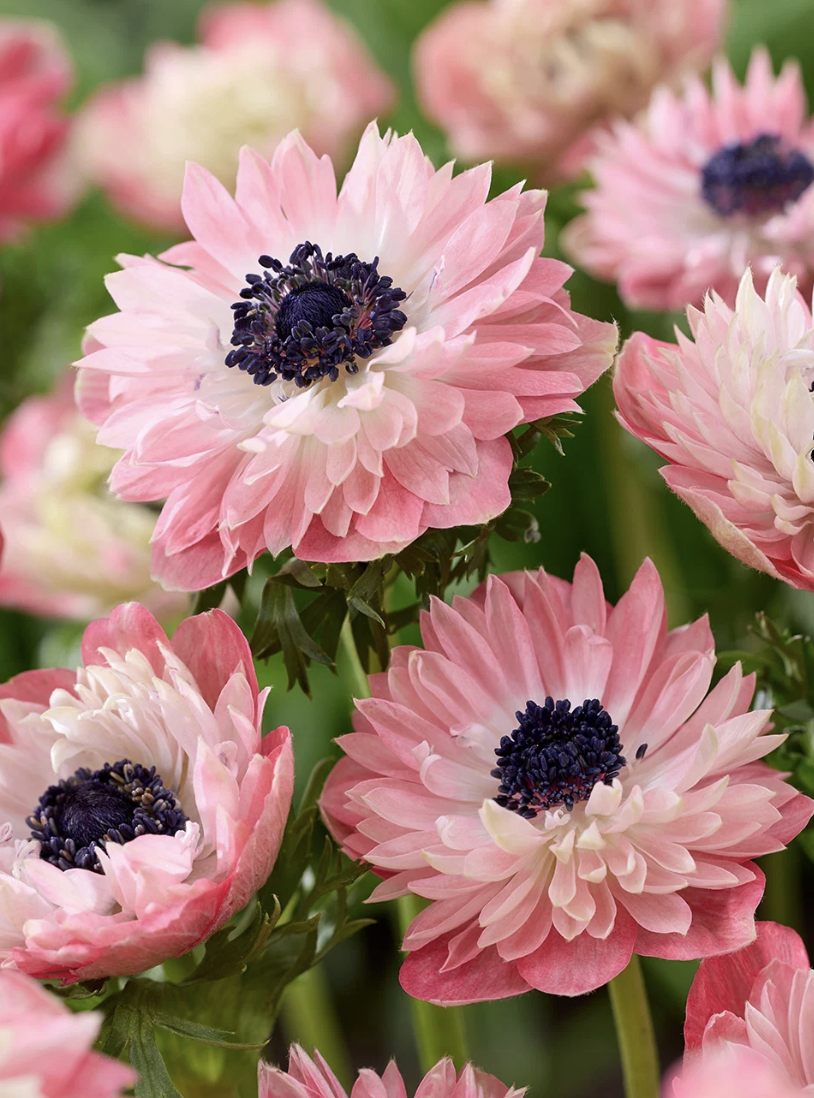
Fullstar Strawberry anemone corms produce lush, fully double blooms in beautiful shades of strawberry pink, rose, and soft blush. Unlike traditional single anemones, Fullstar Strawberry features layer upon layer of petals, creating a fluffy, almost peony-like flower with wonderful texture and romantic garden charm.
A standout in the spring cut flower garden, Fullstar Strawberry produces eye-catching blooms on strong stems that are beautiful in bouquets, floral arrangements, and mixed spring designs. Its warm pink coloring pairs especially well with cream, white, peach, lavender, and other soft spring tones.
Fullstar Strawberry anemone corms are an exceptional choice for gardeners and flower growers looking for something a little different from the classic anemone. With its unusual double form, gorgeous coloring, and excellent potential as a cut flower, this variety is sure to become a spring favorite.
Anemones are beautiful, productive spring cut flowers known for their delicate, poppy-like blooms, dark centers, and long, graceful stems. Easy to grow from anemone corms, these cool-season flowers are a favorite for home cutting gardens, flower farms, bouquets, and spring arrangements. Each corm can produce multiple stems over an extended bloom period, making anemones an incredibly rewarding addition to the garden.
How to Grow Anemones from Corms
When to Plant Anemone Corms
Anemones thrive in cool weather. In mild climates, corms can be planted in the fall for late winter and spring flowers. Gardeners in colder climates can plant anemone corms in late winter or early spring, often starting them indoors or in a protected space before transplanting them outside.
How to Prepare Anemone Corms for Planting
Before planting, soak your anemone corms in room-temperature water for approximately 3–4 hours. The dry corms will begin to plump as they absorb water.
For an earlier and more uniform start, corms can also be pre-sprouted. After soaking, place them in a tray or container filled with lightly moist potting mix and keep them in a cool location for approximately 10–14 days. Once roots and small shoots begin to develop, they are ready to plant.
How to Plant Anemone Corms
Plant anemone corms approximately 2–3 inches deep and 4–6 inches apart in fertile, well-draining soil. Don't worry too much about determining which side of the corm faces upward—anemones will generally find their way toward the soil surface.
Choose a planting location with full sun to light afternoon shade. Anemones prefer cool growing conditions and may benefit from frost cloth, a low tunnel, or other protection during periods of severe cold.
Watering and Caring for Anemone Flowers
Water thoroughly after planting and keep the soil consistently moist but never waterlogged. Good drainage is especially important when growing anemones, as corms can rot in excessively wet soil.
Once plants are actively growing, provide consistent moisture and good air circulation. Anemones perform especially well in fertile soil amended with organic matter.
When Do Anemones Bloom?
Anemones generally begin flowering approximately 10–14 weeks after planting, although bloom time will vary depending on your climate, planting date, and growing conditions.
For the best vase life, harvest anemones for cut flowers after the bloom has opened once and closed again, or when the flower is beginning to open and the stem beneath the bloom feels strong and firm.
Frequent harvesting encourages the plants to continue producing additional flower stems.
Growing Anemones in Cold Climates
In colder growing zones, anemones are typically grown as cool-season annuals rather than relied upon as winter-hardy perennials. Corms can be started in a protected location in late winter and planted outdoors when conditions allow. Frost cloth or low-tunnel protection can help protect young plants and encourage an earlier spring harvest.
Anemones pair beautifully with other spring cut flowers including ranunculus and tulips and are an excellent choice for gardeners who want an abundance of early-season blooms.
What to Expect When Your Anemone Corms Arrive
Don't be surprised by their appearance! Dormant anemone corms are naturally small, hard, dry, and wrinkled. This is completely normal. Once soaked and planted, the corms absorb moisture, begin developing roots, and quickly come to life.
With proper planting and care, these unassuming little corms can produce an abundance of beautiful anemone flowers for your spring garden and bouquets.